
// // Popovers // -------------------------------------------------- .popover { position: absolute; top: 0; left: 0; z-index: @zindex-popover; display: none; max-width: @popover-max-width; padding: 1px; text-align: left; // Reset given new insertion method background-color: @popover-bg; background-clip: padding-box; border: 1px solid @popover-fallback-border-color; border: 1px solid @popover-border-color; border-radius: @border-radius-large; .box-shadow(0 5px 10px rgba(0,0,0,.2)); // Overrides for proper insertion white-space: normal; // Offset the popover to account for the popover arrow &.top { margin-top: -@popover-arrow-width; } &.right { margin-left: @popover-arrow-width; } &.bottom { margin-top: @popover-arrow-width; } &.left { margin-left: -@popover-arrow-width; } } .popover-title { margin: 0; // reset heading margin padding: 8px 14px; font-size: @font-size-base; font-weight: normal; line-height: 18px; background-color: @popover-title-bg; border-bottom: 1px solid darken(@popover-title-bg, 5%); border-radius: (@border-radius-large - 1) (@border-radius-large - 1) 0 0; } .popover-content { padding: 9px 14px; } // Arrows // // .arrow is outer, .arrow:after is inner .popover > .arrow { &, &:after { position: absolute; display: block; width: 0; height: 0; border-color: transparent; border-style: solid; } } .popover > .arrow { border-width: @popover-arrow-outer-width; } .popover > .arrow:after { border-width: @popover-arrow-width; content: ""; } .popover { &.top > .arrow { left: 50%; margin-left: -@popover-arrow-outer-width; border-bottom-width: 0; border-top-color: @popover-arrow-outer-fallback-color; // IE8 fallback border-top-color: @popover-arrow-outer-color; bottom: -@popover-arrow-outer-width; &:after { content: " "; bottom: 1px; margin-left: -@popover-arrow-width; border-bottom-width: 0; border-top-color: @popover-arrow-color; } } &.right > .arrow { top: 50%; left: -@popover-arrow-outer-width; margin-top: -@popover-arrow-outer-width; border-left-width: 0; border-right-color: @popover-arrow-outer-fallback-color; // IE8 fallback border-right-color: @popover-arrow-outer-color; &:after { content: " "; left: 1px; bottom: -@popover-arrow-width; border-left-width: 0; border-right-color: @popover-arrow-color; } } &.bottom > .arrow { left: 50%; margin-left: -@popover-arrow-outer-width; border-top-width: 0; border-bottom-color: @popover-arrow-outer-fallback-color; // IE8 fallback border-bottom-color: @popover-arrow-outer-color; top: -@popover-arrow-outer-width; &:after { content: " "; top: 1px; margin-left: -@popover-arrow-width; border-top-width: 0; border-bottom-color: @popover-arrow-color; } } &.left > .arrow { top: 50%; right: -@popover-arrow-outer-width; margin-top: -@popover-arrow-outer-width; border-right-width: 0; border-left-color: @popover-arrow-outer-fallback-color; // IE8 fallback border-left-color: @popover-arrow-outer-color; &:after { content: " "; right: 1px; border-right-width: 0; border-left-color: @popover-arrow-color; bottom: -@popover-arrow-width; } } } {"translation-revision-date":"2026-06-10 11:19+0000","generator":"WP-CLI\/2.12.0","source":"gutenberg\/edit-pages-panel\/src\/components\/SearchBar.js","domain":"messages","locale_data":{"messages":{"":{"domain":"messages","lang":"ro_RO","plural-forms":"nplurals=3; plural=(n==1 ? 0 :(((n%100>19)||(( n%100==0)&&(n!=0)))? 2 : 1));"},"Search pages":["Caut\u0103 pagini"]}}} { "name": "mpdf/psr-http-message-shim", "description": "Shim to allow support of different psr/message versions.", "type": "library", "require": { "psr/http-message": "^2.0" }, "license": "MIT", "autoload": { "psr-4": { "Mpdf\\PsrHttpMessageShim\\": "src/" } }, "authors": [ { "name": "Mark Dorison", "email": "mark@chromatichq.com" }, { "name": "Kristofer Widholm", "email": "kristofer@chromatichq.com" }, { "name": "Nigel Cunningham", "email": "nigel.cunningham@technocrat.com.au" } ] } Line Chart Created with Sketch. PASSAPORTE ANGOLANO SOBE POSIÇÃO E JÁ É O SEXTO MAIS PODEROSO DA LUSOFONIA - portalforadabanda.com

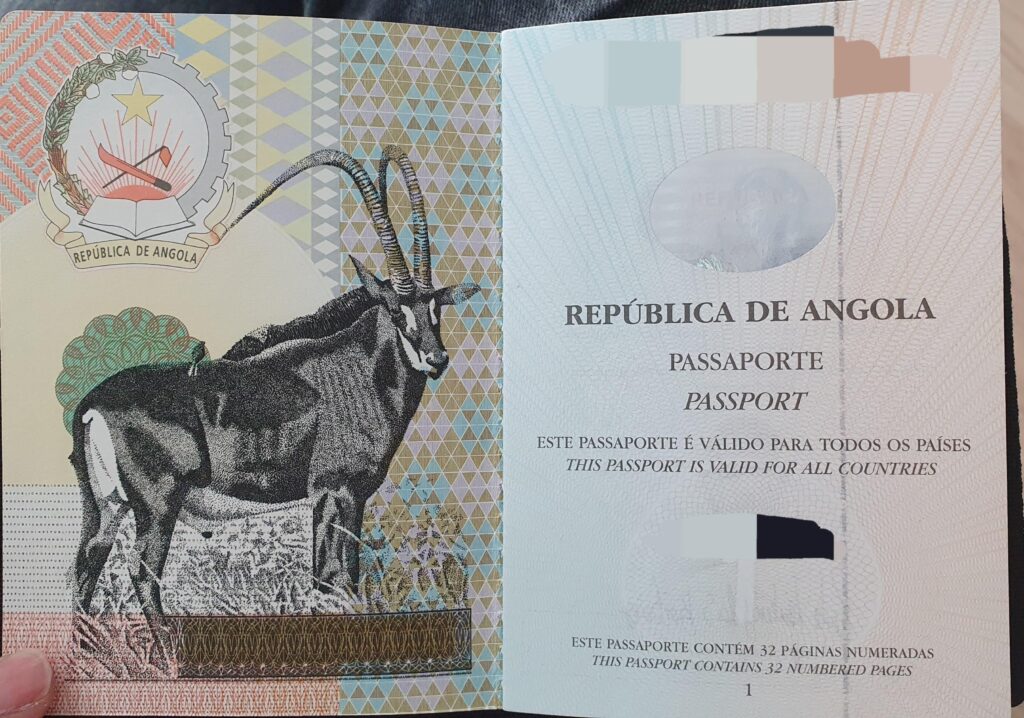
PASSAPORTE ANGOLANO SOBE POSIÇÃO E JÁ É O SEXTO MAIS PODEROSO DA LUSOFONIA

passaporte angolano

O passaporte angolano subiu posições recentemente, permitindo viagens sem visto para países parceiros africanos, além de acordos pontuais. Nos países lusófonos, Angola ocupa a 6ª posição, logo atrás de atrás de São Tomé e Príncipe.

Segundo o ranking elaborado pela consultora Henley & Partiners com base em dados da Associação Internacional de Transporte Aéreo (IATA), que avalia o número de destinos que os titulares de cada passaporte podem visitar em necessidade de solicitar um visto antecipadamente, Angola subiu dois lugares em comparação com o ano passado.

O passaporte mais poderoso da Lusofonia é o de Portugal, que figura consistentemente no Top 5 mundial e permite a entrada livre de vistos em mais de 184 destinos globais. Em segundo lugar encontra-se o Brasil, ocupando a 16.ª posição mundial com acesso sem visto a 169 destinos.

Abaixo está o ranking completo dos países da Lusofonia, ordenados pelo seu poder de mobilidade global (número de países acessíveis sem visto prévio) e suas respectivas posições:

Posição LusófonaPaísPosição GlobalDestinos Sem VistoDestaques Regionais / Condições
1ºPortugal5º184+Acesso irrestrito a todo o Espaço Schengen e União Europeia. Acessar o portal de turismo português
2ºBrasil16º169Fortalecido por acordos no Mercosul e acesso amplo à Europa e Ásia.
3ºMoçambique~70º – 80º60 – 70Exige vistos para a maior parte do Ocidente, mas possui forte mobilidade no continente africano.
4ºCabo Verde~70º – 80º60 – 70Bom trânsito na África Ocidental e acesso facilitado a alguns países europeus.
5ºSão Tomé e Príncipe~80º – 90º50 – 60Permite acesso a um número crescente de países asiáticos e africanos.
6ºAngola86º49Subiu posições recentemente; permite viagens sem visto para países parceiros africanos, além de acordos pontuais.
7ºGuiné-Bissau~90º – 100º45 – 55Acesso limitado a nações parceiras e acordos regionais.
8ºGuiné Equatorial~90º – 100º45 – 55Integra o bloco da CPLP; trânsito focado na região da África Central.
9ºTimor-Leste~90º – 100º45 – 55Fortalecimento gradual com acordos de isenção no Sudeste Asiático e Europa.

Deixe um comentário

O seu endereço de e-mail não será publicado. Campos obrigatórios são marcados com *